
Published
4 minute read
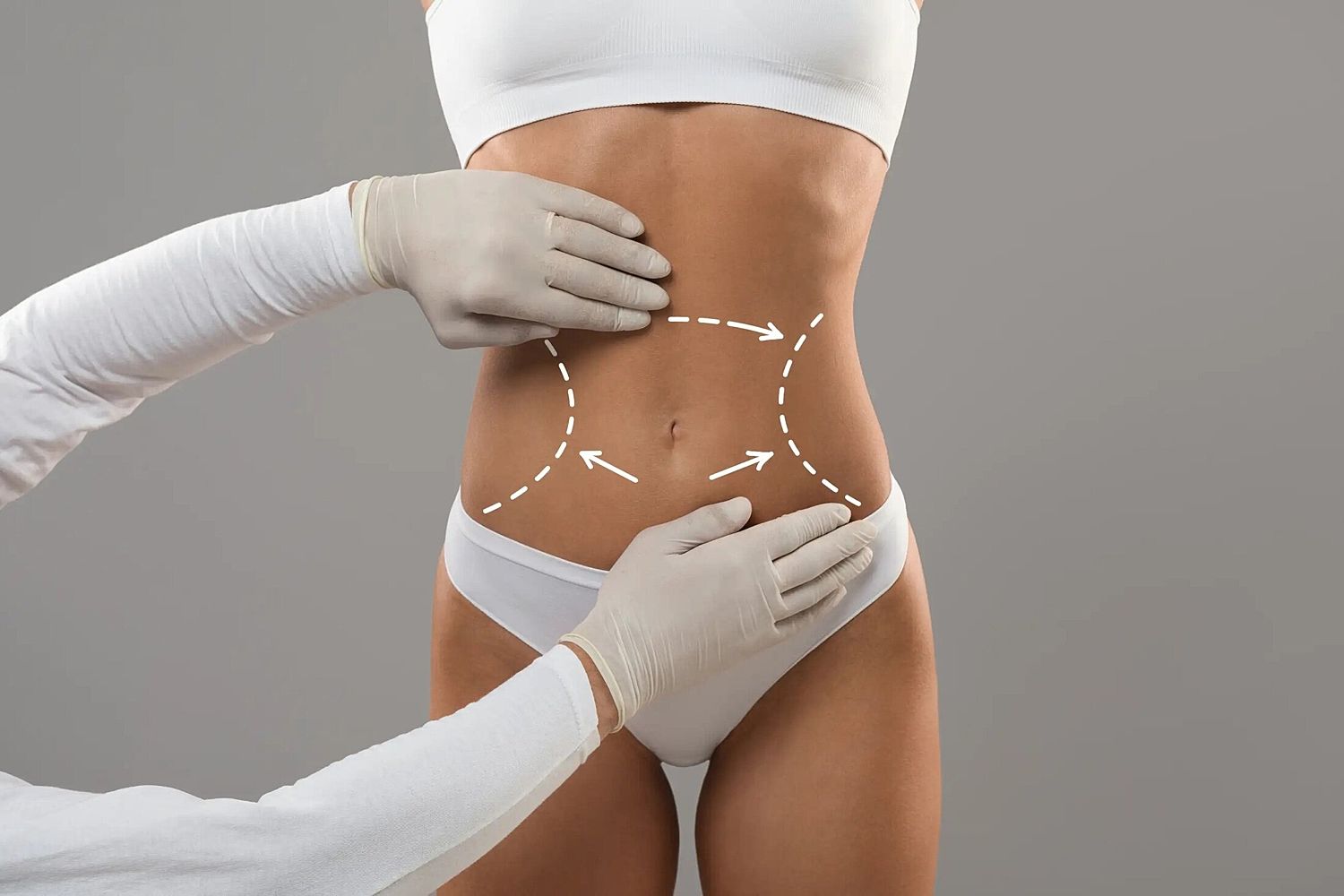
During surgery to remove cancerous breast tissue, doctors sometimes remove nearby lymph nodes if cancer is confirmed or suspected to have spread to them. While this is highly beneficial in eliminating cancer from the body, the removal of lymph nodes can interrupt the flow of lymphatic fluid…causing swelling and discomfort for the patient. By using a ground-breaking surgery that allows us to transfer lymph nodes from another site during breast reconstruction, we can prevent lymphedema while also delivering beautiful, natural looking breasts.
This procedure is only offered by experienced surgeons who have extensive knowledge in breast reconstruction and microsurgery techniques. I should know; after completing advanced training in New York’s top medical centers, I founded the DIEP breast microsurgical program at Thomas Jefferson University Hospital in Philadelphia. Since then, I have successfully treated many patients at the Breslow Center in Paramus, New Jersey using the most advanced breast reconstruction techniques available, including the use of vascular lymph node transfer.
This can be a life-changing procedure for some…but the question is, is it for you?
To help you understand why lymphedema sometimes results after a mastectomy, it helps to first explain the purpose of lymph nodes. These tiny bean-shaped glands are part of the lymphatic system, which circulates lymphatic fluid throughout the body. Lymph nodes trap bacteria and viruses and other foreign invaders and then trigger the immune system to fight them off.
When lymph nodes are removed during a mastectomy or damaged by radiation treatments, the flow of lymph fluid becomes interrupted. Since the fluid can’t drain as it normally would, it can start to build up in the chest and arms, causing painful swelling and stiffness. Sometimes the swelling only lasts for a few weeks, but in some women, it lasts longer.
The chances of lymphedema resulting after breast surgery depend on the method of lymph node removal.
A breast reconstruction method we often recommend involves taking skin, fatty tissue, and blood vessels from the patient’s lower abdomen to form new breasts. This method is called Deep Inferior Epigastric Artery Perforator Flap (DIEP Flap), named after the main blood vessel in the lower abdomen. Because it uses the patient’s own tissue, reconstructed breasts look natural. And because it doesn’t require cutting into the abdominal muscle, recovery is easier than with traditional flap methods.
In the groin directly under the DIEP flap, there are lymph nodes connected to blood vessels within the flap. Not all of these lymph nodes are responsible for fluid drainage in the groin area, so we use special dyes and imaging to detect which lymph nodes are superficial. We then remove these lymph nodes, keeping them attached to the flap.
While reconstructing the breast using the DIEP flap, we create a pocket under the arm for the harvested lymph nodes. We then connect their blood vessels to the patient’s blood supply, allowing lymphatic fluids to begin circulating again. Once the entire flap is in place, the patient is left with beautiful breasts that look natural.
In most cases, we are able to reconstruct breasts using the DIEP flap and harvested lymph nodes from the groin. We will discuss the best surgery method for you during a detailed consultation. There are generally several conditions in which we will offer alternative recommendations:
Recovering from the trauma of a mastectomy is a highly emotional experience. A compassionate surgeon will take time to listen to your concerns, explain reconstruction options, and make honest recommendations for your particular case.
Especially if you are dealing with lymphedema after breast cancer surgery, it’s crucial to choose a plastic surgeon who is knowledgeable in microsurgeries that deal with the vascular system.
If you or a loved one are dealing with lymphedema or would like to discuss the best reconstruction options, please don’t hesitate to schedule an appointment.

© The Breslow Center Paramus, NJ | All Rights Reserved | Sitemap | Privacy Policy | Accessibility | Notice of Open Payment Database