Chemical Peel
Serving patients in: Wyckoff, Ridgewood, Allendale, Woodcliff Lake, Montvale, Saddle River, Upper Saddle River, Westwood, Ho Ho Kus, Park Ridge, Rivervale, Old Tappan, and surrounding areas.


Chemical peels have been around for thousands of years. It is even said that Cleopatra bathed in milk to make her skin smooth and silky, since milk contains lactic acid which gently helps cell-turnover.
One doesn’t need to be Egyptian to enjoy chemical peels’ exfoliating properties and improve the skin’s tone, texture, and appearance. Let us help untangle the diversified choices for terrific results and proper expectations.
A chemical peel is a skin-resurfacing treatment that uses a carefully selected chemical solution to exfoliate damaged outer layers and encourage fresher skin cells to come forward. Depending on the formula and peel depth, treatment can help improve skin texture, uneven tone, sun damage, fine lines, and other common skin concerns.
Chemical peels range from very light exfoliating treatments to stronger medium-depth options. Ingredients may include glycolic acid, salicylic acid, lactic acid, alpha hydroxy acids, or trichloroacetic acid, with the best choice depending on your skin type and goals.
Acne does very well with peels, including post-inflammatory hyperpigmentation from past break-outs. The peeling solutions are absorbed into the pores and help purge out the debris in the skin. Enlarged pores will look refined.
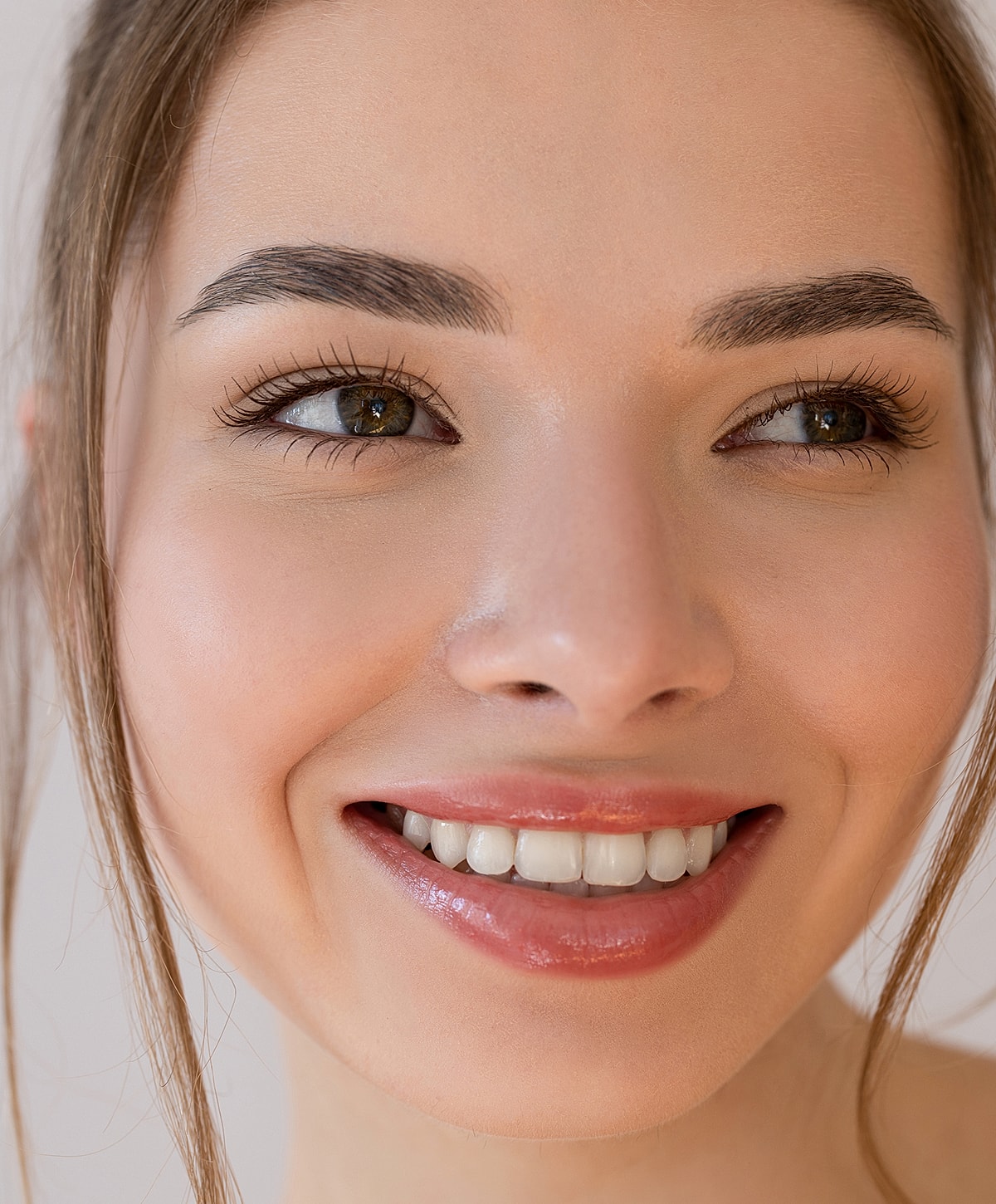
All skin types from very fair to dark show terrific results. Sun damage, hyperpigmentation, and melasma are some of the skin conditions that can benefit from our Paramus chemical peel treatments.
The best peel for you depends on your skin tone, current skincare routine, and what you want to improve. For darker skin tones, thoughtful product selection and peel depth are especially important because overly aggressive treatment can increase the risk of post-inflammatory hyperpigmentation.

We offer a variety of peels for different skin conditions at our New Jersey medical spa. Some have acids that can be found in your kitchen, such as:
These three acid types exfoliate at a cellular level to improve the skin’s appearance, but generally they do not cause peeling that’s visible to the naked eye. As a slower and gentler way to brighten the skin, these solutions can be added to any of our facials.
Chemical peel treatments can range from very light exfoliation to stronger formulas that create visible peeling. Choosing the right strength is about balancing the improvement you want with your skin’s tolerance and the recovery time you are comfortable with.
A chemical peel can refresh the skin without adding a complicated treatment routine. The procedure is customizable, which makes it easy to adjust treatment intensity based on your skin’s needs and your comfort with visible peeling.
Benefits may include:
Stronger peels may also support collagen production as the skin renews, creating gradual improvement in texture and overall quality.
Chemical peels can improve several surface-level concerns at once, making them a versatile option for patients who want smoother, clearer-looking skin.
They may help with:
The amount of visible improvement depends on the type of peel selected, the condition being treated, and how deeply the solution penetrates the skin.

SkinMedica’s Vitalize peel for mild to moderate skin imperfections causes mild flaking for a couple of days.
We also offer the Rejuvenize treatment for moderate to severe skin imperfections, which has about a five-day flake.
During the flaking process a moisturizer can minimize the rapid rate of exfoliation. These are great options for the individual that has a busy lifestyle, yet wants a bright and glowing skin.
Light and superficial peels are a great introduction for patients who want brighter, smoother skin without much interruption to their week. A series of treatments may also be recommended when gradual improvement makes more sense than one aggressive peel.
One of our product lines, ZO by Obagi, features a 3-step peel that uses powerful chemical agents for a very aggressive and effective result. Individuals with significant sun damage and/or melasma see very good results, especially patients of color, who often have stubborn pigmentation.
This chemical peel is also unique in that the patient follows up with an at-home treatment that produces longer-lasting results than ordinary peels. A stronger peel reaches deeper into the skin and usually comes with more visible peeling, so aftercare becomes especially important. Your provider will recommend the appropriate peel based on your skin condition, treatment history, and desired results.
What Should I Do Before And After The Pe
We recommend that all exfoliators, scrubs, AHAs, and Retin-A-based products be discontinued seven days before, and resumed once all the flaking/peeling is complete.
Use a gentle cleanser, moisturizer, and an SPF. Vigorous exercise should also be minimized to avoid irritating the skin.
Treated skin can be more sensitive to direct sun exposure while it heals, making consistent sun protection especially important. Avoid picking or pulling at visible peeling and allow the skin to shed naturally. Your provider will also let you know when you can safely resume stronger skincare products and wear makeup.
Chemical peel treatment begins with a thorough cleansing of the treatment area. Your provider then applies the selected peel solution in a controlled layer and monitors how your skin responds throughout the treatment.
You may notice warmth, slight tingling, or a brief stinging sensation while the solution is active. Depending on the formula, the peel may be neutralized or removed after a set amount of time. A soothing product or protective ointment may then be applied to support proper healing.
Peel strength is always selected with your skin type, treatment history, and desired results in mind. Light peels generally require little downtime, while medium-depth peels create more visible peeling and require a more structured recovery period.
Recovery varies according to peel depth. A superficial peel may cause mild flaking and temporary sensitivity, while stronger treatments can create several days of more noticeable peeling as new skin emerges.
During recovery, treated skin should be kept moisturized and protected from direct sun exposure. Avoid picking at peeling skin, and follow your provider’s instructions regarding makeup, exfoliating products, and active skincare ingredients. Sun protection is especially important while the regenerated skin is still sensitive.
Some patients may also be advised to use petroleum jelly or another protective ointment while the skin heals.
Immediately after your chemical peel Paramus patients skin may look a little worse before it gets better, as it is undergoing changes that ultimately will improve rather quickly.
Visible improvement develops as the treated skin finishes exfoliating and new skin becomes more apparent. Depending on the peel depth, you may notice smoother texture, more even tone, and a brighter complexion within days to a few weeks. Multiple treatments can build on those results over time.
Chemical peel cost depends on the type and strength of peel selected and whether a series of treatments is recommended. Your provider can review pricing along with your personalized treatment plan during your consultation.
It depends on the peel. Some superficial peels create little visible peeling, while stronger treatments may cause several days of noticeable flaking as the skin heals.
Most patients experience warmth, slight tingling, or temporary stinging while the peel solution is on the skin. The sensation depends on the ingredients and depth of treatment.
Light and medium-depth peels can often be repeated as part of an ongoing skincare routine. The right interval depends on the peel strength, your skin’s response, and the results you want to maintain.
Yes. Chemical peels can soften the appearance of fine lines while improving skin texture and tone. The amount of improvement depends on peel depth and the severity of the lines being treated.
Potentially. Gentler acids and superficial peels may be appropriate for sensitive skin, but your provider will evaluate your skin first and choose a formula that limits unnecessary irritation.
Avoid picking at peeling skin, strong exfoliants, and unnecessary sun exposure while your skin heals. Gentle products and consistent SPF help protect the newly treated skin and support optimal results.

© The Breslow Center Paramus, NJ | All Rights Reserved | Sitemap | Privacy Policy | Accessibility | Notice of Open Payment Database