Revision Rhinoplasty
Serving patients in: Paramus, Wyckoff, Ridgewood, Allendale, Woodcliff Lake, Montvale, Saddle River, Upper Saddle River, Westwood, Ho Ho Kus, Park Ridge, Rivervale, Old Tappan, and surrounding areas.

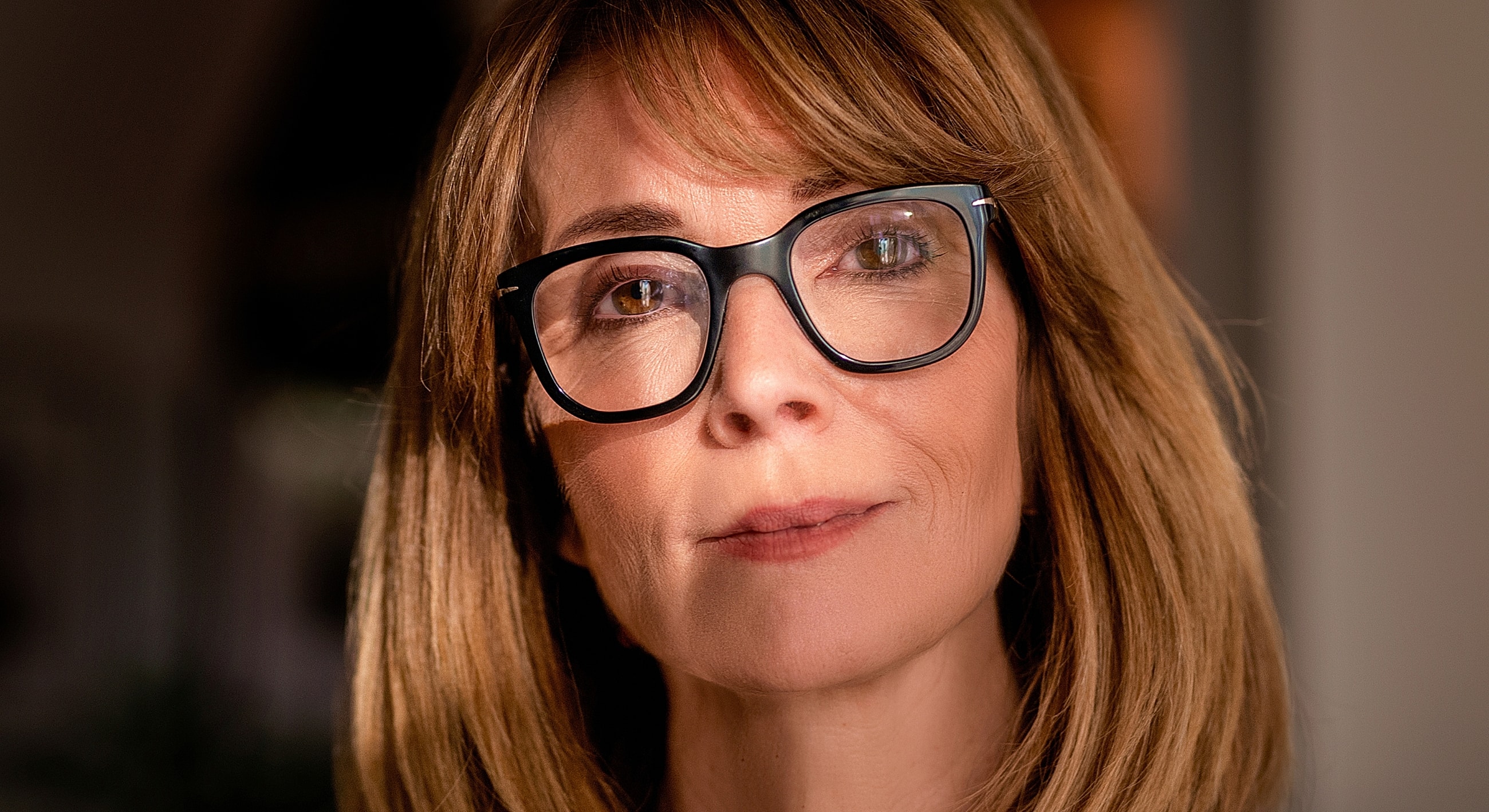
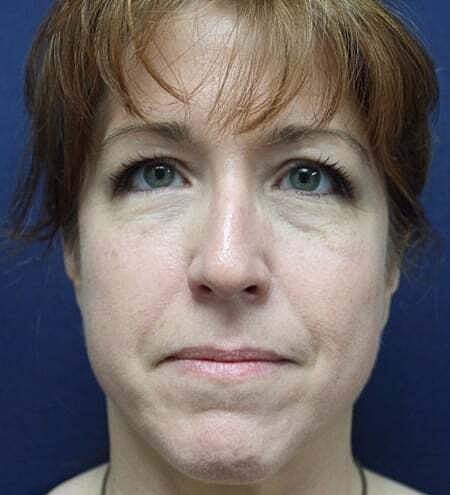
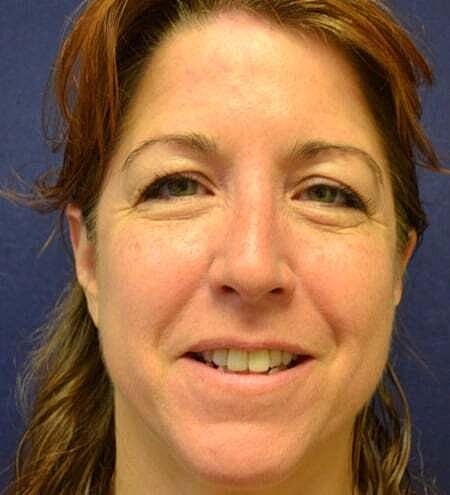
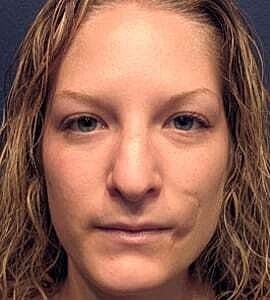
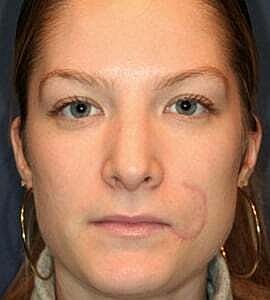
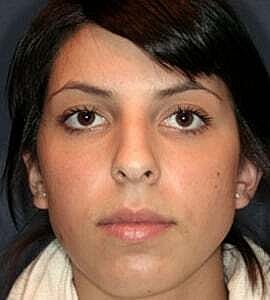
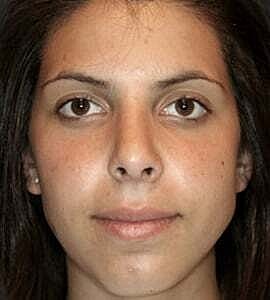
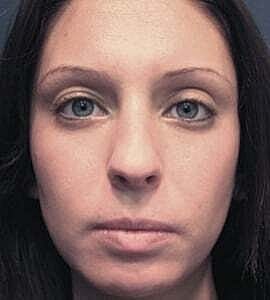
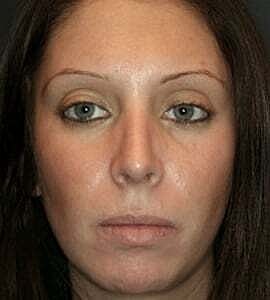
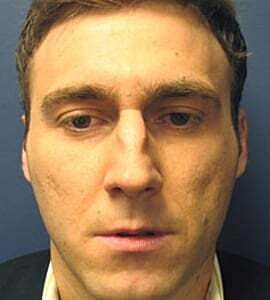
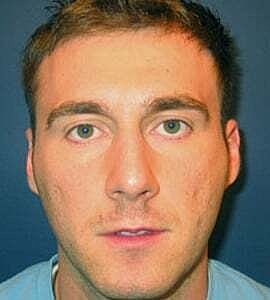
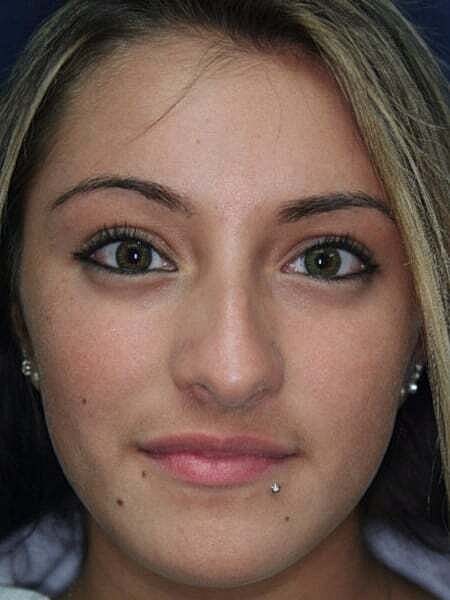
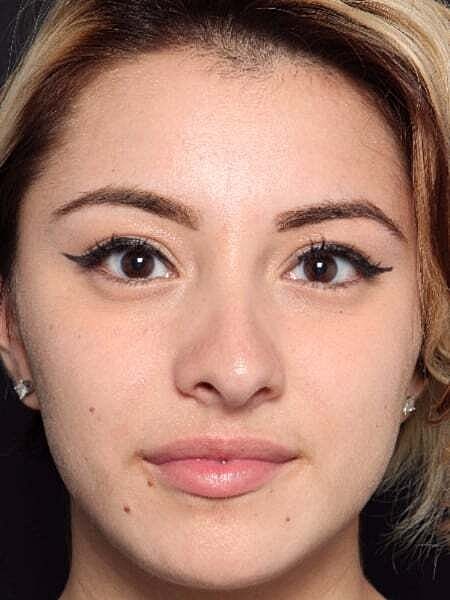
For individuals unhappy with their rhinoplasty results, revision rhinoplasty may be an option. Revision rhinoplasty is performed after a primary rhinoplasty if the goals of the primary rhinoplasty were not achieved or if issues arose during the healing process that need to be corrected. These issues may be either functional or cosmetic. Revision rhinoplasty is typically postponed until at least one year after the primary rhinoplasty. This is because rhinoplasties take up to 1.5 years for the final result to be seen.
1 of 6
Revision rhinoplasty is a secondary surgical procedure performed to correct the results of a previous nose surgery (primary rhinoplasty). Because the nasal architecture has already been altered and scar tissue is present, this procedure requires greater expertise than a primary procedure. Options range from minor refinements of the nasal bridge to complex reconstructions using cartilage grafts from the ear or rib to restore a collapsed or over-shortened nose. The ultimate purpose is to achieve a result that looks natural and functions perfectly.
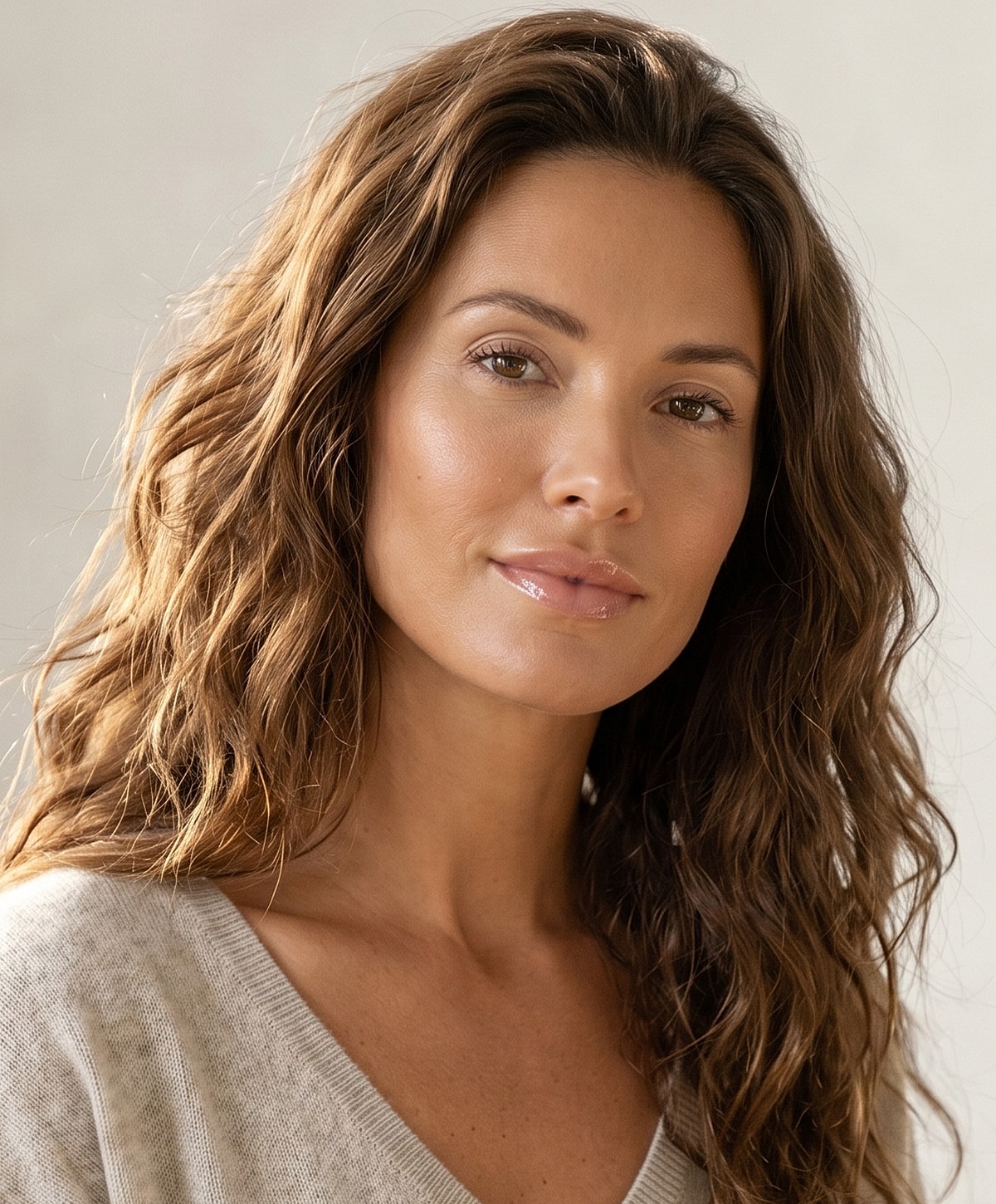
Dr. Breslow of the Breslow Center for Plastic Surgery in Paramus, New Jersey, typically performs revision rhinoplasty under general anesthesia in an operating room setting. Minor revisions may be performed with just sedation. The surgery may take 1 to 3.5 hours, depending on the procedure.
As with primary rhinoplasty, revision rhinoplasty may be performed with either a closed or open technique. With closed rhinoplasty, the incisions are made entirely inside the nose. For open rhinoplasty, incisions are made inside the nose, along with a small incision made on the columella, or the column of skin that separates the nostrils. The surgical technique for revision rhinoplasty depends on the areas to be revised. The procedure may be as simple as shaving down a residual bump or as complex as reopening the nose to remove cartilage or add cartilage grafts.
This procedure addresses a wide array of post-surgical concerns. Aesthetically, it corrects issues with the nasal tip, an uneven bridge, or a nose that appears too small or too large for the face. Functionally, it is essential for patients who developed a deviated septum or collapsed nasal valves following their first surgery, which can lead to chronic breathing problems. We focus on resolving these complications to ensure both optimal function and appearance.
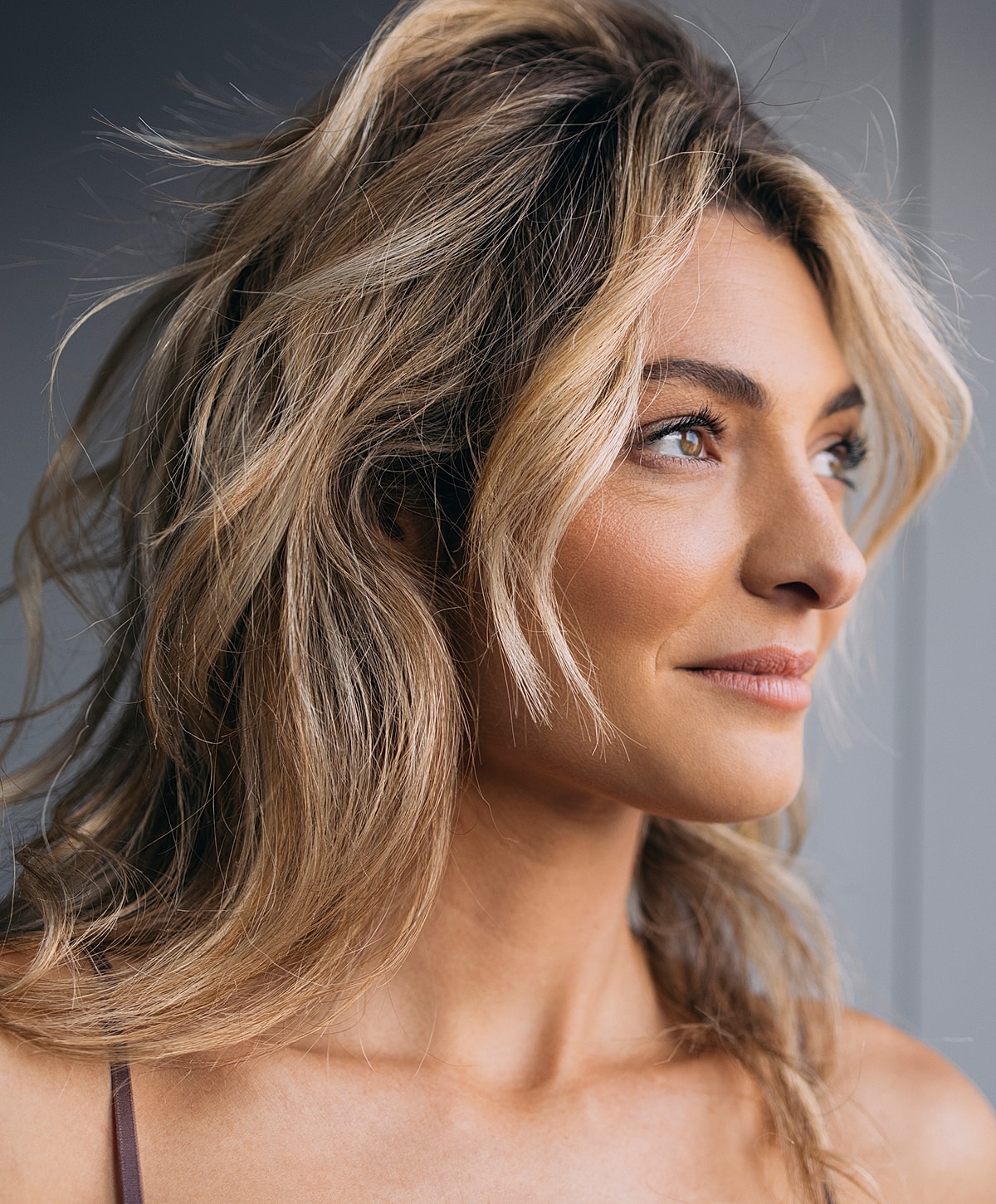
Revision rhinoplasty can help resolve a long-standing source of self-consciousness. By fixing the structural errors of a previous surgery, we provide a nose that no longer draws unwanted attention for the wrong reasons. Patients often report an immediate improvement in their quality of life once their breathing is restored and they no longer feel the need to hide their profile. It is the final step in achieving the sophisticated, natural look you intended to have from the start.
For individuals unhappy with their rhinoplasty results, revision rhinoplasty may be an option.
Revision rhinoplasty is performed after a primary rhinoplasty if the goals of the primary rhinoplasty were not achieved or if issues arose during the healing process that need to be corrected. These issues may be either functional or cosmetic. Revision rhinoplasty is typically postponed until at least one year after the primary rhinoplasty. This is because rhinoplasties take up to 1.5 years for the final result to be seen.
If you would like more information about revision rhinoplasty, please contact our Paramus, New Jersey office today.
"Dr. Breslow and his staff were wonderful before, during and after. And, I have to say, I think my new nose is fabulous! Dr. Breslow and his team has my highest recommendation.” – Debra S.
Recovery from a revision surgery is similar to healing from primary rhinoplasty, though swelling may persist slightly longer due to the presence of scar tissue. You will wear a nasal splint for about one week to protect the new nasal structure. While bruising around the eyes is common, it typically fades within 10 days. We provide a comprehensive aftercare plan and schedule frequent follow-up appointments in our Paramus office to monitor the delicate healing process and ensure your results settle beautifully.

You will see a noticeable change in your profile once the splint is removed after the first week. However, because the nose is a delicate area, it can take up to a year—and sometimes longer in revision cases—for the very last bit of swelling to dissipate and reveal the final, refined shape.
The results of a revision rhinoplasty are intended to be permanent. Once the nasal structures have healed and settled into their new position, your refined profile will last a lifetime. Maintaining a healthy lifestyle and protecting your nose from injury will ensure your results remain stable.
Serving patients in Paramus, Ridgewood, Allendale, Woodcliff Lake, Montvale, Saddle River, Upper Saddle River, Westwood, Ho Ho Kus, Park Ridge, Rivervale, and Old Tappan.
Revision rhinoplasty is widely considered the most difficult procedure in plastic surgery, and choosing the right surgeon is paramount. For 20 years, Dr. Gary Breslow has been a trusted problem-solver for patients in Bergen County and beyond. He is known for his technical mastery and ability to navigate complex corrective cases with empathy and precision. At The Breslow Center, we provide a sophisticated, supportive environment where your goals are heard and your results are handled with personalized care.
Most patients find the discomfort level to be very similar to their first experience. We provide effective pain management and detailed instructions to ensure your recovery is as comfortable as possible.
In many revision cases, a graft is necessary to provide support where excessive tissue was previously removed. Dr. Breslow will discuss the best source for this graft—usually the ear or rib—during your consultation.
Yes. Restoring the airway is a primary goal of functional revision rhinoplasty. Dr. Breslow meticulously evaluates the nose’s internal structures to correct functional concerns and ensure that aesthetic changes do not compromise your ability to breathe.
We generally advise waiting at least 12-18 months. This ensures the nose has fully healed and the tissues are stable enough to undergo a second procedure safely.
As with any surgery, there are potential complications. Though rare, these may include bleeding and infection. The biggest risk of revision rhinoplasty is incomplete correction of the issue for which the nose is being revised. This is why it is so important to work with a board-certified plastic surgeon with experience performing this delicate procedure.
© The Breslow Center Paramus, NJ | All Rights Reserved | Sitemap | Privacy Policy | Accessibility | Notice of Open Payment Database