Nipple And Areola Tattoo
Serving patients in: Paramus, Wyckoff, Ridgewood, Allendale, Woodcliff Lake, Montvale, Saddle River, Upper Saddle River, Westwood, Ho Ho Kus, Park Ridge, Rivervale, Old Tappan, and surrounding areas.


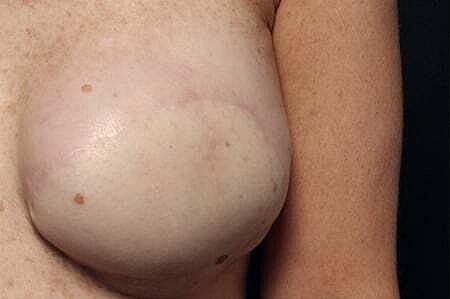
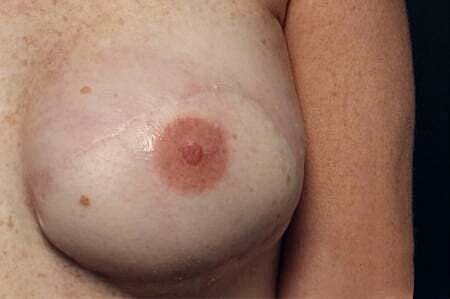
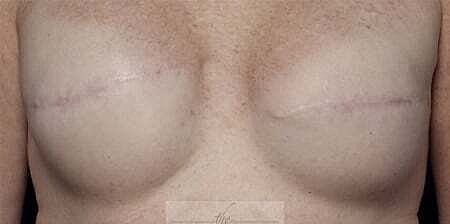
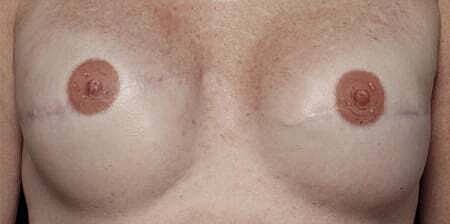
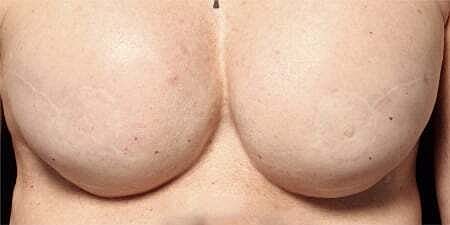
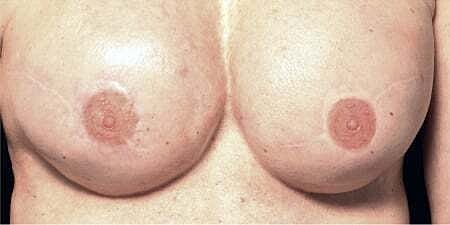
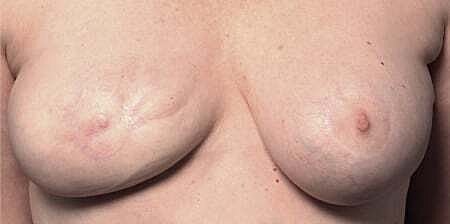
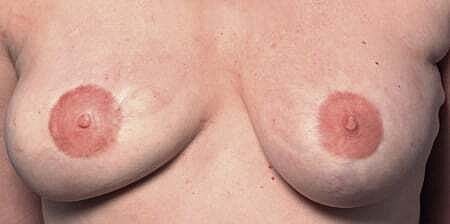
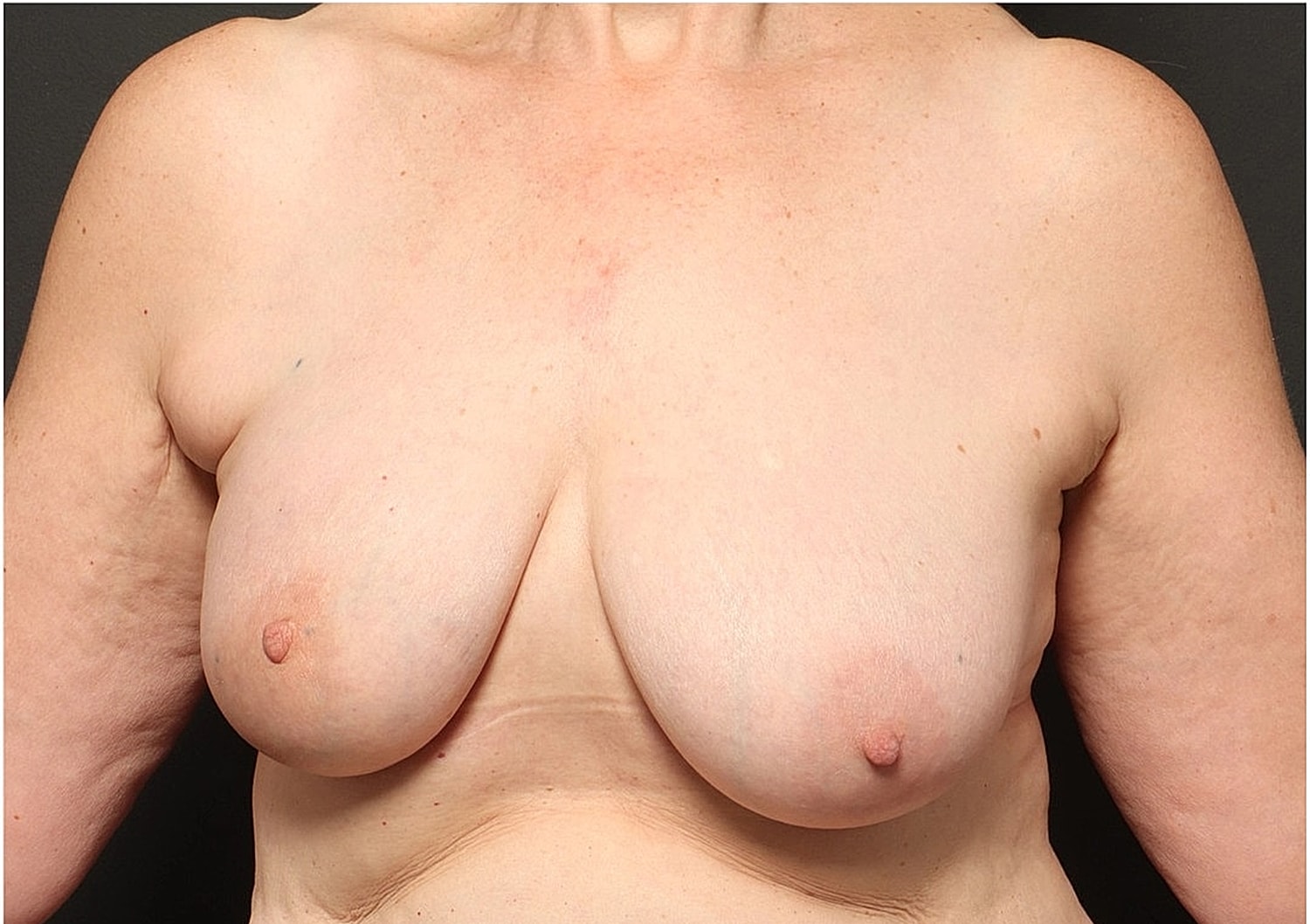
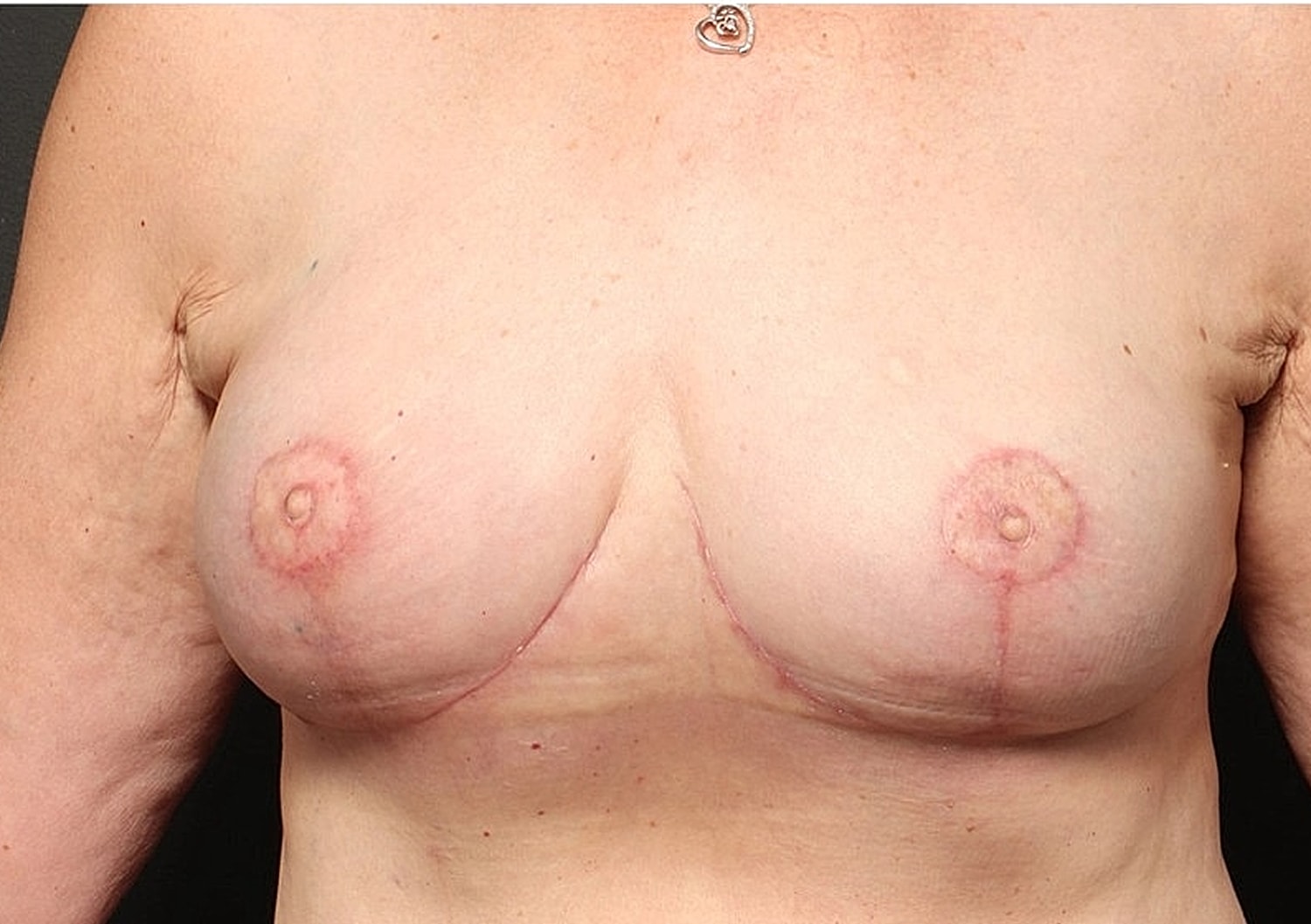
Nipple and areola tattoo is a form of corrective permanent makeup in Paramus, also known as medical aesthetical micropigmentation, most often performed after mastectomy surgery. This procedure restores the natural shade and shape of a nipple and areola, and can be done in conjunction with surgical nipple reconstruction.
After breast reconstruction, this simple procedure can truly help restore a sense of wholeness and self.
1 of 5
How Does Nipple and Areola Tattooing Work?
Nipple and areola tattooing uses medical micropigmentation to place carefully selected pigment into the skin after breast reconstruction. Placement, diameter, shape, and color can be adjusted to coordinate with the opposite breast after unilateral reconstruction or create a balanced appearance on both sides after bilateral reconstruction.
Depending on your reconstruction, tattooing may add color to a surgically created nipple or create the visual appearance of a nipple and areola without additional nipple surgery. In a tattoo-only result, shading can create the impression of projection even though the skin remains flat to the touch. Patients who are still planning breast reconstruction or surgical revisions should complete those stages before tattoo placement is finalized.

What Are the Benefits of Nipple and Areola Tattooing?

Who Is a Good Candidate for Nipple and Areola Tattooing?
Nipple and areola tattooing is usually considered after the reconstructed breast has healed and its shape and position are stable. Good candidates have intact skin at the treatment site and no active infection, open wound, or unresolved irritation. If you recently had nipple reconstruction, a revision, radiation therapy, or another breast procedure, additional healing time may be recommended before pigment is placed.
Radiated skin can respond differently to tattooing, including changes in pigment retention and healing, so the area should be evaluated carefully before treatment. Your consultation also covers the preferred areola size, tone, shape, symmetry, and features of the opposite nipple that you want to match.
What Happens During a Nipple and Areola Tattoo Procedure?
Before tattooing begins, Denise reviews the intended size, position, shape, and color. For unilateral reconstruction, the natural nipple and areola can serve as a reference. For bilateral reconstruction, pigment and placement can be selected to complement your skin tone and breast shape. Carefully blended pigment is then deposited into the skin with a sterile micro-needle in controlled passes.
Color and shading can be layered to create depth and definition. Comfort varies from person to person. Reconstructed breasts frequently have reduced sensation after mastectomy, so pressure or vibration may be more noticeable than sharp discomfort, although sensation is not the same for everyone. Appointment length depends on the treatment area and the amount of detail needed.
What Is Recovery Like After Nipple and Areola Tattooing?
Mild redness, swelling, tenderness, and temporary darkening of the pigment can occur right after treatment. Flaking or light scabbing may develop as the surface heals. Keep the area clean, avoid picking at peeling skin or scabs, and follow the dressing and skin-care instructions you receive from the practice.
Common aftercare precautions include avoiding swimming, baths, hot tubs, heavy sweating, and friction over the tattoo until the skin has healed. Surface healing often takes around 10–14 days, while the pigment continues to settle for several weeks. Increasing redness, warmth, drainage, fever, or worsening pain should be reported to your healthcare team.

When Will I See Results and How Long Will They Last?
The new nipple and areola appearance is visible immediately, although fresh pigment usually looks deeper or brighter at first. As the superficial skin heals and sheds, the color softens. The result is easier to judge after the area has fully healed and the pigment has settled.
Medical tattoo pigment is long-lasting, but gradual fading is normal. Sun exposure, skin characteristics, radiation history, and individual pigment retention can influence how the color changes over time. A touch-up can restore color or refine small areas if fading develops.

Why Choose The Breslow Center for Nipple and Areola Tattooing in Paramus?
At The Breslow Center, nipple and areola tattooing is performed by Denise Wekarski, a Licensed Aesthetician and Certified Micropigmentation Technician with more than 20 years in the makeup and skincare industry. Her background is especially relevant for a treatment where color selection, proportion, and placement create most of the visible result.
The Breslow Center also provides breast reconstruction and permanent makeup services in Paramus, allowing patients to address reconstructive and micropigmentation care within the same practice. For patients who have already completed breast reconstruction, nipple and areola tattooing can serve as a final visual refinement once the tissues have healed.
Nipple and Areola Tattoo
No. Surgical nipple reconstruction creates physical projection using tissue, while tattooing adds color and visual definition. Tattooing can be used after nipple reconstruction or on its own to create the appearance of a nipple and areola on flat skin.
Our breast reconstruction page notes that nipple reconstruction and tattooing are usually performed as a final step about 3–6 months after the initial surgery. Exact timing depends on healing, later revisions, radiation treatment, and when the reconstructed breast has reached a stable position.
Many reconstructed breasts have reduced sensation after mastectomy, so the procedure may feel more like pressure or vibration. Sensation varies, and patients with more feeling in the area may notice greater discomfort.
It may still be an option after radiation, but radiated skin can heal and retain pigment differently. The skin should be fully healed and evaluated before tattooing so timing and expectations can be adjusted appropriately.
One or more visits may be needed. Pigment retention varies, and a later touch-up can add color, improve evenness, or refine details after the first treatment has healed.
Yes. Permanent cosmetic pigments can soften and fade gradually over time. A touch-up can refresh the color if the tattoo becomes lighter or less even.
If you’re looking for an experienced cosmetic micro-pigmentation artist, schedule your personal consultation with Denise Wekarski at The Breslow Center in Paramus, New Jersey today! Call (201) 444-9522.

© The Breslow Center Paramus, NJ | All Rights Reserved | Sitemap | Privacy Policy | Accessibility | Notice of Open Payment Database