Mini Facelift
Serving patients in: Wyckoff, Ridgewood, Allendale, Woodcliff Lake, Montvale, Saddle River, Upper Saddle River, Westwood, Ho Ho Kus, Park Ridge, Rivervale, Old Tappan, and surrounding areas.


A small amount of lower-face laxity can change the way your jawline reads long before you feel ready for a more extensive facelift. A mini facelift in Paramus is designed for earlier facial aging, giving us a focused way to refine mild jowling and lower-face looseness while preserving the features that already feel like you.
At our Paramus practice, we tailor mini facelift surgery to your anatomy, skin quality, and the amount of correction you actually need. The procedure can be a great fit when your jawline has started to soften, but your cheeks and neck still have relatively good support.
A mini facelift is a limited-incision facial plastic surgery procedure that lifts and repositions the soft tissues along your lower face and jawline. This mini facelift procedure typically uses smaller incisions than a traditional facelift and is best suited to mild or moderate sagging skin, while more advanced facial or neck aging generally calls for a broader lift.
The exact technique varies by anatomy. In many cases, Dr. Gary Breslow works with the deeper supporting tissues and muscle layer beneath your skin, helping your lower face settle into a smoother, natural contour without a pulled appearance.
Our Paramus mini facelift focuses primarily on the lower half of your face, especially your jawline, chin, and early jowls. It can improve mild sagging along your jawline, excess skin near the corners of your mouth, and subtle loss of definition between your lower face and upper neck.
The procedure is especially useful when signs of aging are beginning to show but have not progressed to heavier skin laxity, deep nasolabial folds, platysmal bands, or significant cheek descent.
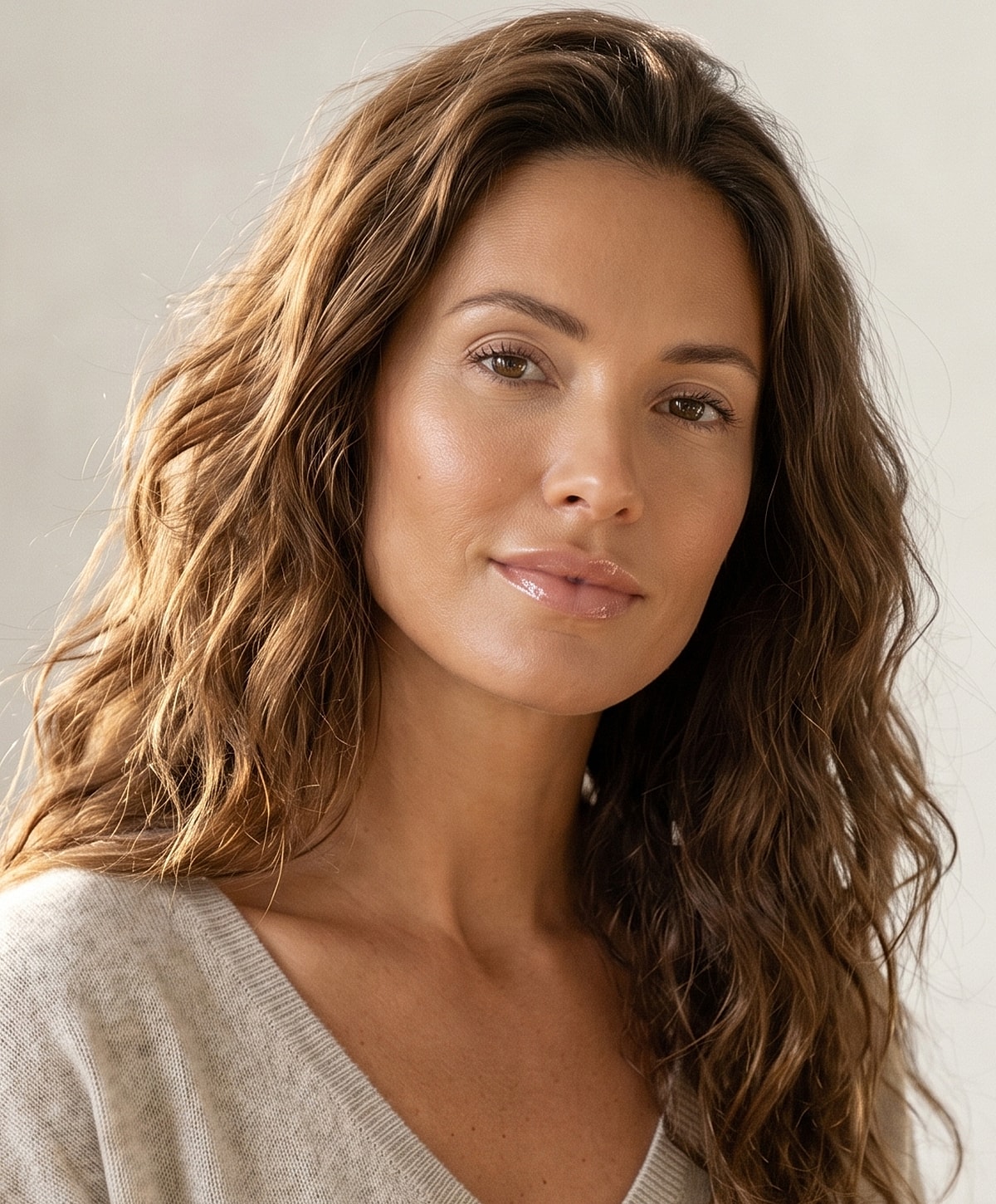
A mini facelift gives us a targeted surgical option for patients who want meaningful lower-face improvement through a more focused operation.
Benefits may include:

Good candidates usually have early signs of facial aging concentrated around their lower face and jawline. You may notice that your jaw has become less crisp, small jowls are beginning to form, or your skin near your mouth and lower cheeks has started to loosen.
You are in good general health, have realistic expectations, and still have relatively good skin elasticity through your cheeks and neck. Many mini facelift patients are younger than traditional facelift patients, although anatomy is more important than age.
Pronounced jowling, deeper facial folds, significant neck laxity, or broader tissue descent may call for a full facelift, deep plane facelift, or combined face and neck lift. During your consultation, we assess your entire face and use your anatomy, skin quality, and tissue position to guide the recommendation.
Before surgery, we review your medical history, current medications, supplements, previous facial procedures, and any health conditions that could affect healing. You may be asked to complete lab work or a medical evaluation depending on your history.
We may also ask you to pause certain medications, aspirin, anti-inflammatory drugs, or herbal supplements that can increase bruising and bleeding. Nicotine should be avoided because it can interfere with circulation and incision healing. You will need someone to drive you home and stay with you during the first night after surgery.
For a mini facelift Paramus patients will have small incisions placed around their ears and, in some cases, extending a limited distance into the hairline. Through these incisions, Dr. Breslow can reposition the deeper soft tissues contributing to early jowls and lower-face laxity, then remove a conservative amount of excess skin when needed.
Once the underlying support has been adjusted, your skin is redraped over the improved contour and any excess is removed conservatively. We avoid creating excessive surface tension because that can make your face look tight or operated on.
The extent of tissue work, incision length, and anesthesia are customized to your facial anatomy, keeping this cosmetic procedure appropriately focused for your needs. A mini facelift is still surgery, so precision in the deeper layers is just as important as it is during a full facelift.

Swelling, bruising, tightness, and temporary numbness are expected during the early healing period. A mini facelift generally involves a more limited surgical area than a full facelift, so many mini facelift patients experience less downtime and feel socially presentable sooner.
Many patients plan on roughly one to two weeks away from work and major social events. Bruising and swelling are usually most noticeable during the first several days and then begin to ease.
Light walking is encouraged early, but strenuous exercise, heavy lifting, and activities that increase facial pressure need to wait. We gradually clear you for more activity as your incisions and deeper tissues heal.
During the first week, swelling and tightness are usually the most noticeable. By the end of the second week, many patients feel comfortable returning to routine social and professional activities. Residual swelling can linger for several more weeks as your jawline and lower face continue to settle.
Keep your head elevated, protect the incisions, avoid bending or straining, and follow the medication and wound-care instructions we provide. Follow-up visits allow us to monitor swelling, incision healing, and the way your facial tissues are settling.
You will see an immediate change in the position of your lower-face tissues, although early swelling can make the result look fuller or tighter than it will later.
Over the next several weeks, bruising fades, and your lower face begins to look more natural. Your jawline typically becomes easier to appreciate as swelling continues to resolve. Final refinement takes several months as the tissues soften and the incision lines mature.

A mini facelift creates long-lasting structural improvement, but it cannot stop your natural aging process. Your skin, fat, and deeper facial tissues will continue to change with time.
Because a mini facelift treats a smaller area and a lesser degree of laxity than a full facelift, the duration of visible improvement can vary considerably from patient to patient. Genetics, sun exposure, smoking, weight changes, and skin quality all influence how your result evolves.
Mini facelift incisions are typically placed around the natural contours of your ear and may extend a short distance into your hairline. Once healed, these locations help keep the scars discreet.
Incisions are usually pink or firm early on and soften gradually over the following months. We review scar care and sun protection during your follow-up visits because UV exposure can make fresh scars more noticeable.

A mini facelift is designed for earlier aging changes and uses a more limited incision pattern and surgical field than full facelift surgery. It focuses mainly on mild jowling and lower-face laxity.
A traditional facelift reaches more broadly across your mid and lower face and may extend into your neck, making it a better option when facial rejuvenation needs to address several areas at once. It is generally better suited to deeper folds, more advanced jowling, heavier skin laxity, or aging changes that span several facial regions. Our full facelift options may include SMAS or deep plane facelift techniques when your facial anatomy calls for more comprehensive rejuvenation.
Yes. A mini facelift can be paired with other facial procedures when several areas would benefit from treatment at the same time.
Additional procedures may include eyelid surgery, brow lift, fat transfer, neck liposuction, Botox, or selected skin resurfacing treatments. The combination depends on which parts of your face are aging and how much recovery you want to take on at once.

We have spent more than two decades providing patient care in facial aesthetics and plastic surgery for patients in Paramus and throughout Bergen County. Dr. Gary D. Breslow is a board-certified plastic surgeon known for an approach that balances technical precision with natural-looking facial rejuvenation and a refreshed, youthful appearance.
We offer several facelift techniques, including mini facelift surgery, traditional facelift surgery, and more advanced options, so we can match the operation to the amount and location of your facial aging. That range allows us to recommend a mini facelift when a focused lower-face lift is enough and a more extensive facelift when broader tissue descent needs to be addressed.
If your jawline is starting to soften and you are considering a surgical option that fits earlier facial aging, we can help you understand where a mini facelift fits. Call us at (201) 444-9522 or schedule a private consultation at our Paramus office to meet with Dr. Breslow and discuss the options that make sense for your anatomy.
The terms are sometimes used interchangeably, but they are not universally defined. A mini facelift usually refers to a limited-incision procedure focused on your lower face and early jowling. We customize the exact surgical approach to the anatomy being treated.
Most patients describe tightness, soreness, and swelling during the early recovery period. We provide detailed postoperative instructions and medication recommendations to keep the early recovery manageable.
There is no single ideal age. The procedure is most useful when early jowling and lower-face laxity are present, but your cheeks and neck still have relatively good support. Anatomy and skin quality are more useful than a birthday when deciding if a mini facelift is appropriate.
A mini facelift may improve your upper neck indirectly by sharpening your jawline, but pronounced loose neck skin or platysmal banding usually requires a neck lift or a more comprehensive face-and-neck procedure.
Dermal fillers restore volume and can soften wrinkles or selected folds, but they do not tighten sagging skin or reposition deeper facial tissues. A mini facelift physically lifts and supports your lower face, which makes it more appropriate when jowling and tissue descent are the main concerns.
Mini facelift cost depends on the extent of surgery, anesthesia, facility fees, and any procedures performed at the same time. We provide personalized pricing after your consultation once we know exactly what your surgical plan includes.

© The Breslow Center Paramus, NJ | All Rights Reserved | Sitemap | Privacy Policy | Accessibility | Notice of Open Payment Database