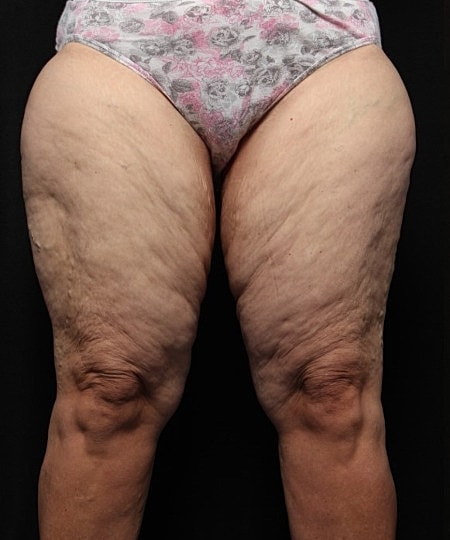
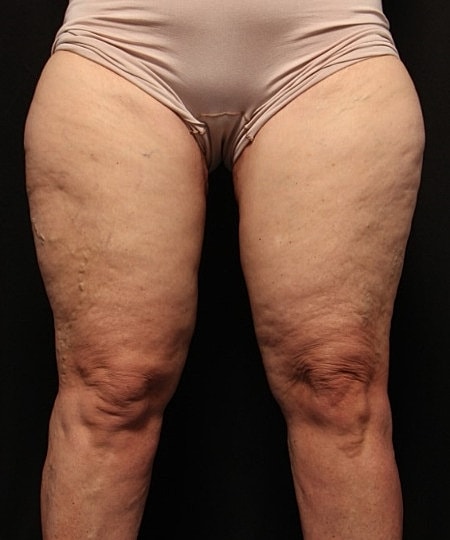
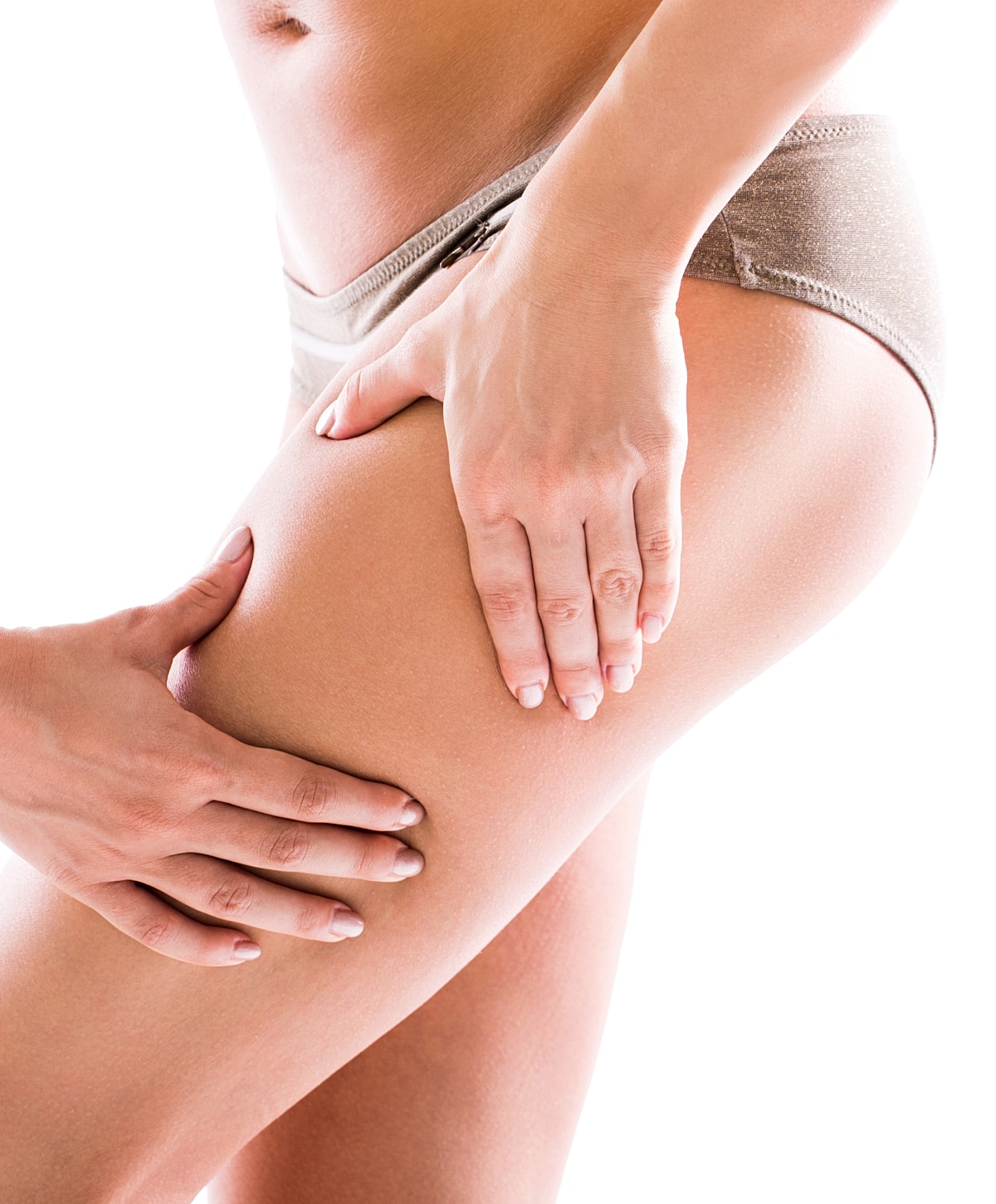
Do you feel self-conscious about the appearance of your thighs? If so, you are not alone — the thighs are notoriously difficult to slim and tone. Thigh lift surgery targets excess skin and fat, helping you achieve a thinner, more sculpted appearance.
For those who have achieved significant weight loss or are noticing the effects of natural skin laxity, the thigh area can often be the last place to reflect your true fitness. We offer thigh lift surgery to address sagging skin and stubborn pockets of fat that diet and exercise alone cannot reach. Dr. Gary Breslow uses advanced surgical techniques to deliver a firmer, more proportionate look to your upper legs, ensuring you feel as vibrant as you look.
1 of 1
Whether caused by rapid weight loss or the natural aging process, thigh-sagging skin is a common concern among plastic surgery patients. Not only can it make you feel poorly about your appearance, but it can also result in uncomfortable chafing and skin lesions.
Thigh lift surgery — also known as thighplasty — removes excess skin and fat deposits, giving the thighs a more toned appearance and aesthetically pleasing proportions. It’s especially popular among those who have lost a significant amount of weight following bariatric surgery or lifestyle changes.
While some patients may benefit from liposuction or non-invasive body contouring procedures in the thigh area, this won’t accomplish the desired results when the skin has been stretched beyond its ability to “bounce back.” In such cases, thighplasty is the recommended approach.


The thigh lift procedure is tailored to your specific anatomy. There are two main techniques: the medial (inner) thigh lift and the lateral (outer) thigh lift. The latter is typically performed during a lower-body lift. In either case, incisions are performed to remove excess skin and fat. The remaining skin is then tightened before the incisions are closed with sutures.
The medial or inner thigh lift involves liposuction, generally followed by the removal of a “crescent” of skin from the upper thigh. This creates a very discrete horizontal scar in the upper leg crease (where your underwear sits). If there is a significant amount of excess skin extending towards the knee, the surgeon may perform a vertical medial thighplasty, or vertical thigh lift. In such cases, the incision extends to the knee along the inside of the leg.
More advanced techniques are required to perform an outer thigh lift. A greater amount of excess tissue is removed, as incisions extend from the groin and around the hip to the patient’s buttocks and back. This results in more extensive and visible scarring.
This surgical procedure is the definitive solution for skin laxity and sagging skin that obscures the natural shape of the legs. It addresses the heavy feeling of excess skin and fat that often causes discomfort or irritation. For those who have undergone weight-loss surgery or maintained a healthy diet, this procedure serves as the final step in your transformation, addressing loose skin that cannot be resolved in the gym.

While the primary focus is the upper thigh, this procedure often complements other body-contouring procedures, such as a tummy tuck or a buttock lift. A medial thigh lift targets the inner thigh area, while a lateral approach addresses the outer thigh and hip. For patients with more extensive skin laxity, a lower body lift may be recommended to harmonize the entire lower body.

The most immediate benefit is smoother thighs and a more athletic profile. Beyond aesthetics, removing excess skin often improves mobility and clothing comfort. By choosing a board-certified plastic surgeon, you ensure that the surgical technique prioritizes natural results with incisions placed in natural creases or the groin area to minimize visible scarring.
The best candidates for plastic surgery procedures like this are individuals at a stable weight who are in good overall health. During your initial consultation, we will review your medical history and discuss realistic expectations. It is important to avoid certain medications and herbal supplements that can impact wound healing before your surgery. If you have reached your ideal weight but are held back by excess skin and fat, thighplasty may be the right fit.
Downtime varies by technique, but in most cases, full recovery is expected after six to eight weeks. Your surgeon may prescribe narcotic pain relievers at first, followed by double-strength, over-the-counter pain medication such as Tylenol for up to seven days. Expect to be away from work for at least two weeks — some surgeons recommend a longer recovery period, especially for patients with jobs that are more physically demanding.
Bandages will be applied after surgery, and drains may be used to drain excess fluid or blood. Compression garments should also be worn for the first few weeks to minimize swelling. Giving your incisions time to heal by avoiding strenuous activity is critical to ensuring a smooth recovery and ultimately ensuring that your stitches don’t open. Assuming that you follow Dr. Breslow’s aftercare instructions, you can expect your scars to fade into very fine, barely perceptible lines over time.

While you will notice a change in the thigh area immediately, the final results emerge as swelling subsides over several months. Once the incisions heal, your legs will appear firmer and more toned. The results of a thigh lift are intended to be long-lasting, provided you maintain a healthy lifestyle and a stable weight. While no procedure can stop the natural aging process, removing excess tissue and tightening the frame provides a durable foundation for your lower-body appearance.

Serving patients in Ridgewood, Allendale, Woodcliff Lake, Montvale, Saddle River, Upper Saddle River, Westwood, Ho Ho Kus, Park Ridge, Rivervale, and Old Tappan.
Unlike other procedures, thigh lift surgery results are visible almost immediately. Assuming that you maintain a stable weight, these results will be long-lasting.
A study from the American Society of Plastic Surgeons reports that, as bariatric surgery use has increased, the number of patients seeking body-contouring surgery after massive weight loss has also risen. Thigh lift surgery has demonstrated significant functional and cosmetic benefits, resulting in improved self-esteem for an overwhelming majority of patients.
To find out more about this transformative procedure, contact The Breslow Center in Paramus, New Jersey, today!
The short answer is that a thigh lift can certainly improve the appearance of cellulite, but it won’t completely remove it. In fact, this is true of any procedure labelled as a cellulite treatment. A thigh lift will remove excess skin and tissue, including areas with cellulite. It will also tighten the skin. However, it will not eliminate cellulite because the underlying fat cells remain.
While all surgical procedures involve incisions, Dr. Breslow is an expert at placing them in discreet areas, such as the groin area or the buttock crease, to help minimize visible scarring.
Yes. Many patients choose to combine a thigh lift with other cosmetic procedures, such as a tummy tuck or liposuction, to achieve more comprehensive results in a single operation.
Most patients feel ready to return to desk-based work in about two weeks, though you should wait at least six weeks before resuming heavy exercise.
For very mild skin laxity, certain skin-tightening treatments may provide subtle improvement. However, for significant loose skin after major weight loss, a surgical thigh lift is the only way to achieve a firm result.